How Often Should I Take My Cat to the Vet? A Complete Schedule by Life Stage
Cats need veterinary care at different frequencies based on age: monthly kitten visits, annual adult checkups, and twice-yearly senior exams. This guide covers the complete schedule and what each visit includes.
How Often Should I Take My Cat to the Vet? A Complete Schedule by Life Stage
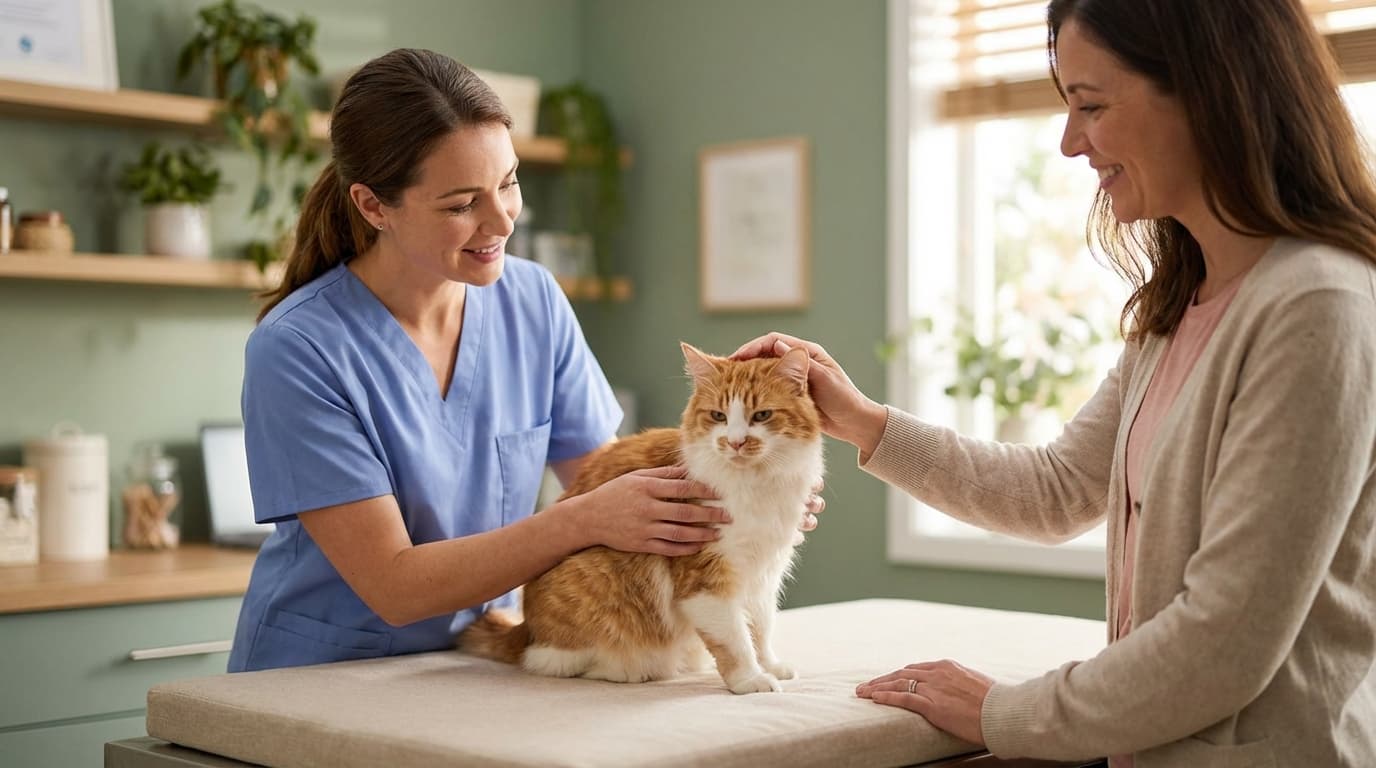
Adult cats should visit the veterinarian at least once annually for wellness exams, while kittens require monthly visits until 16 weeks old, and senior cats over 10 years need checkups every six months. Regular veterinary care catches health issues early, keeps vaccinations current, and establishes a baseline for your cat's normal health metrics—critical for detecting subtle changes that signal disease.
Despite their reputation for independence, cats require consistent medical attention throughout their lives. Cats are masters at hiding illness, often showing no visible symptoms until conditions become advanced. Preventive veterinary care becomes your most powerful tool for ensuring a long, healthy life for your feline companion.
How Often Do Kittens Need to See the Vet?
Kittenhood requires the most intensive veterinary schedule of any life stage. From birth through 16 weeks, kittens need monthly visits to complete their vaccination series, monitor growth, and establish parasite prevention.
The typical kitten schedule includes: 8 weeks for first distemper vaccination and deworming; 12 weeks for second distemper vaccine and first leukemia vaccine; 16 weeks for final distemper, rabies vaccination, and leukemia booster if indicated. Each visit includes weight checks, physical examination, parasite screening, and behavioral counseling.
Spaying or neutering typically occurs between 4-6 months of age, requiring an additional surgical visit. Microchip placement often happens during this procedure while the kitten is under anesthesia.
What Happens During an Adult Cat's Annual Wellness Exam?
Annual wellness visits for adult cats aged 1-10 years focus on prevention, early disease detection, and maintaining protection against infectious diseases. These comprehensive exams typically last 30-45 minutes and cover multiple health domains.
Physical examination includes assessment of body condition and weight, dental health evaluation, ear and eye examination, heart and lung auscultation, abdominal palpation, joint mobility checks, and skin and coat inspection. Your veterinarian feels for lumps, listens for heart murmurs, checks for dental disease, and evaluates overall body condition.
Vaccination updates maintain immunity against core diseases. Rabies vaccination follows legal requirements varying by state—either annual or every three years. FVRCP (distemper combination) typically receives boosters every 1-3 years depending on vaccine type and risk assessment. Outdoor cats may need additional feline leukemia vaccination.
Parasite prevention keeps your cat and family protected. Veterinarians prescribe monthly heartworm prevention, flea and tick control products, and deworming medications. Even indoor cats require parasite prevention—mosquitoes transmit heartworm, and fleas hitch rides on human clothing.
Why Do Senior Cats Need More Frequent Vet Visits?
Cats entering their senior years at age 10 and beyond face increased risk for chronic diseases including kidney disease, hyperthyroidism, diabetes, arthritis, and cancer. These conditions often develop gradually, making twice-yearly examinations essential for early detection when treatment is most effective.
Senior wellness visits every six months include all elements of adult exams plus age-specific screening. Blood work checks kidney and liver function, thyroid levels, blood sugar, and complete blood counts. Urinalysis detects early kidney disease, diabetes, and urinary tract issues before symptoms appear. Blood pressure screening identifies hypertension common in senior cats. Dental radiographs reveal hidden tooth root problems.
Weight monitoring becomes critical for seniors. Unexplained weight loss often signals hyperthyroidism, diabetes, or intestinal disease. Weight gain may indicate reduced activity from arthritis pain or metabolic changes requiring dietary adjustment.
When Should I Take My Cat to the Vet Between Scheduled Visits?
Certain symptoms warrant immediate veterinary attention regardless of when your cat's next scheduled visit occurs. Cats hide illness so effectively that visible symptoms often indicate serious, advanced conditions requiring prompt treatment.
Seek emergency care immediately if your cat: Cannot urinate or strains without producing urine—this life-threatening urinary blockage is a male cat emergency; shows labored breathing or open-mouth breathing; has seizures; experiences severe vomiting or diarrhea, especially with blood; collapses or becomes non-responsive; sustains trauma from falls or accidents; or ingests toxic substances including lilies, acetaminophen, or antifreeze.
Schedule a same-day appointment if you observe: Significant appetite decrease lasting more than 24 hours; dramatic increase in water consumption; unexplained weight loss; lethargy or hiding behavior unusual for your cat; persistent vomiting or diarrhea; limping or reluctance to jump; or discharge from eyes or nose.
Do Indoor Cats Really Need Annual Vet Visits?
Yes, indoor cats absolutely require annual veterinary care despite not venturing outdoors. Indoor status protects against trauma and some infectious diseases but doesn't prevent the most common feline health problems.
Indoor cats still develop: Dental disease affecting over 70% of cats by age three; obesity from sedentary lifestyles and overfeeding; diabetes often linked to obesity; chronic kidney disease—the leading cause of death in senior cats; hyperthyroidism extremely common in cats over 10; and heart disease including hypertrophic cardiomyopathy.
Additionally, indoor cats can contract rabies if bats enter homes, develop heartworm disease from mosquito bites, and acquire parasites from visiting dogs or hitchhiking pests. Legal rabies vaccination requirements apply regardless of indoor status.
How Can I Make Vet Visits Less Stressful for My Cat?
Veterinary visits cause anxiety for many cats, but preparation reduces stress for both cats and owners. Start carrier training weeks before appointments by leaving the carrier out as a cozy retreat, feeding treats inside, and taking short practice drives.
Before the visit: withhold food for a few hours if your cat gets carsick; use pheromone sprays like Feliway in the carrier 15 minutes before travel; cover the carrier with a towel during transport; and keep the carrier secure in the car seat using a seatbelt.
Consider fear-free certified practices that use cat-specific handling techniques, separate waiting areas for cats, and minimal restraint during exams. Some veterinarians offer house-call services for extremely anxious cats, though this limits diagnostic capabilities.
How Much Do Cat Vet Visits Cost?
Veterinary costs vary by location, clinic type, and your cat's specific needs. Understanding typical pricing helps budget for preventive care and unexpected illnesses.
Routine wellness exam: $50-100 for the office visit; vaccinations add $15-30 each; parasite prevention costs $15-25 monthly. A typical annual visit with exam, vaccines, and parasite prevention runs $150-300.
Senior wellness screening: Blood work panels cost $100-200; urinalysis adds $30-50; blood pressure measurement runs $25-50. Comprehensive senior screening every six months totals $200-400 per visit.
Ways to manage costs: Pet wellness plans spread preventive care costs across monthly payments; pet insurance covers accidents and illnesses though pre-existing conditions are excluded; low-cost vaccine clinics offer basic services at reduced rates; and CareCredit provides financing options for unexpected expenses.
When to See a Veterinarian for Your Cat
Preventive veterinary care represents the single most important investment in your cat's longevity and quality of life. Regular exams catch diseases in early, treatable stages before they cause suffering or become financially devastating to address. Follow the life-stage schedule diligently, watch for warning signs between visits, and build a relationship with a veterinarian who knows your cat's unique health history.
Reviewed for accuracy by MyPetID's health team on [REVIEW_DATE] against the Merck Veterinary Manual, AAFP Guidelines, and AVMA recommendations.
Frequently Asked Questions
Is it okay to skip vet visits if my cat seems healthy?
No, cats are exceptionally skilled at hiding illness until conditions become serious. By the time symptoms become visible to owners, diseases like kidney failure, diabetes, or cancer may have progressed significantly. Annual exams catch problems through blood work and physical examination before cats show outward signs of sickness.
At what age is a cat considered a senior?
Cats are generally considered seniors at 10-11 years of age, though large breeds and cats with chronic health issues may need senior-level care earlier. Geriatric cats over 15 years often require even more frequent monitoring and specialized care for age-related conditions.
What vaccines does my indoor cat really need?
All cats need core vaccines regardless of lifestyle: rabies (legally required in most states) and FVRCP protecting against panleukopenia, calicivirus, and rhinotracheitis. Rabies vaccines protect against bats entering homes and required by law. FVRCP prevents highly contagious, potentially fatal diseases that can travel on shoes and clothing.
How do I know if my cat is in pain?
Cats rarely cry out from pain—instead, watch for subtle behavioral changes. Signs include reduced grooming leading to matted coat, hiding more than usual, avoiding jumping or climbing, litter box accidents, decreased appetite, aggression when touched in specific areas, and changes in sleep patterns. Any behavioral change warrants veterinary evaluation.
Can I vaccinate my cat myself?
While some vaccines are available for purchase, veterinary administration is strongly recommended. Vaccines require proper handling, storage, and administration technique to be effective and safe. Additionally, the veterinary exam accompanying vaccination often detects health problems early. Rabies vaccines legally require veterinary administration in most jurisdictions.
Why does my cat need blood work if he seems fine?
Blood work reveals invisible health changes before symptoms appear. Kidney disease, diabetes, hyperthyroidism, and liver problems all show laboratory abnormalities months or years before cats exhibit visible illness. Early detection through screening blood work allows intervention that slows disease progression and extends healthy lifespan.
About The MyPetID Team
The MyPetID team is dedicated to helping pet owners provide the best care for their furry friends through innovative digital solutions.
Related Articles

Why Is My Dog Throwing Up? Causes, Colors & When to Worry
Learn what your dog's vomit color means, when vomiting is an emergency, and how to safely treat mild cases at home. Complete guide for concerned pet owners.
Why Is My Cat Sneezing? Common Causes & When to Worry
Occasional sneezing is normal for cats, but persistent sneezing can signal allergies, infections, or irritants. Learn the common causes and when it's time to call the vet.
Why Is My Dog Limping? Common Causes and When to See a Vet
Dog limping can stem from minor injuries like paw cuts or serious conditions like arthritis and ligament tears. Learn the common causes, home care tips, and when veterinary attention is essential.
Get More Pet Care Tips
Subscribe to our newsletter for the latest articles and updates