Why Is My Dog Limping? Common Causes and When to See a Vet
Dog limping can stem from minor injuries like paw cuts or serious conditions like arthritis and ligament tears. Learn the common causes, home care tips, and when veterinary attention is essential.
Why Is My Dog Limping? Common Causes and When to See a Vet
A dog limps because of pain, injury, or structural problems affecting one or more legs, ranging from minor paw cuts to serious conditions like ligament tears, arthritis, or bone fractures. Limping, also called lameness, is one of the most common reasons dog owners seek veterinary care. Understanding the potential causes helps you determine whether home monitoring is appropriate or if immediate veterinary attention is necessary.
The severity of limping varies widely. Some dogs show subtle weight shifting favoring one leg, while others refuse to put any weight on the affected limb entirely. The onset of limping also provides important diagnostic clues—sudden limping often indicates acute injury, while gradual onset suggests chronic conditions like arthritis or hip dysplasia developing over time.
What Are the Most Common Causes of Limping in Dogs?
Dog limping stems from numerous sources affecting different parts of the leg, from toes to hips. Identifying where the problem originates helps narrow down the cause and urgency of treatment needed.
Paw and Pad Injuries
Paw injuries rank among the most frequent causes of sudden limping. Dogs step on sharp objects, develop cracked pads from hot pavement or cold ice, get foreign bodies like thorns or glass stuck between toes, or experience torn nails. These injuries cause immediate, noticeable limping and often visible signs like bleeding, swelling, or the dog licking the affected paw excessively.
Joint and Ligament Problems
Cranial cruciate ligament (CCL) tears represent one of the most common orthopedic injuries in dogs, particularly in larger breeds and overweight dogs. This ligament stabilizes the knee joint, and when torn, causes severe lameness and pain. Hip dysplasia and elbow dysplasia—developmental abnormalities in joint formation—cause chronic limping that worsens with age and activity. Arthritis, the degenerative wear of joint cartilage, affects senior dogs and causes stiffness and limping that improves with movement.
Soft Tissue Injuries
Muscle strains, sprains, and bruises occur when dogs overexert during play, slip on surfaces, or make awkward movements. These injuries typically cause mild to moderate limping that improves within a few days of rest. Muscle tears or significant ligament damage outside the knee joint can cause more persistent lameness requiring veterinary evaluation.
Bone Fractures and Trauma
Broken bones cause severe, non-weight-bearing lameness and obvious distress. Fractures result from car accidents, falls from heights, or significant trauma. Any suspected fracture requires immediate emergency veterinary care to prevent complications and ensure proper healing.
Infections and Inflammatory Conditions
Lyme disease and other tick-borne infections can cause sudden lameness that shifts between legs, accompanied by fever and lethargy. Joint infections, though less common, cause severe pain, swelling, and fever. Autoimmune conditions affecting joints also present with limping and systemic symptoms.
Growth-Related Issues in Puppies
Young, rapidly growing large-breed puppies may develop panosteitis—an inflammatory condition causing shifting leg lameness—or hypertrophic osteodystrophy affecting growth plates. These conditions, while painful, typically resolve as the puppy matures but require veterinary monitoring.
How Can I Tell If My Dog's Limping Is Serious?
Several warning signs indicate your dog's limping requires prompt veterinary attention rather than home observation.
Seek immediate emergency care if your dog: Cannot bear any weight on the leg, shows signs of severe pain like crying or aggression when touched, has visible deformity or bone protrusion suggesting fracture, experiences bleeding that won't stop, or displays shock symptoms including pale gums, rapid breathing, or collapse.
Schedule a same-day veterinary appointment if: The limping persists beyond 24 hours, your dog has a fever or seems lethargic, there's noticeable swelling or warmth in the leg, the limping worsens rather than improves, or your dog is a senior with sudden onset lameness.
Monitor at home if: Your dog shows mild, intermittent limping after vigorous play, there's a visible minor cut or scrape on the paw, or your dog is still bearing weight and eating normally. Even these cases warrant veterinary evaluation if not improving within 48 hours.
What Can I Do at Home for a Limping Dog?
For minor injuries, home care can help your dog recover while you monitor for signs of improvement or deterioration.
Rest and restricted activity form the foundation of home treatment. Confine your dog to a small area, avoid stairs and jumping, and leash-walk only for bathroom breaks for at least 48-72 hours. This rest period allows minor strains and soft tissue injuries to heal.
Inspect the affected leg carefully. Look between toes for foreign objects, check pads for cuts or burns, examine nails for cracks or tears, and gently palpate for swelling or heat. Remove visible thorns or debris with tweezers, clean minor cuts with mild soap and water, and apply a small bandage if needed.
Cold therapy helps acute injuries. Apply a cold pack wrapped in a towel to swollen areas for 10-15 minutes, 2-3 times daily during the first 48 hours. Never apply ice directly to skin.
Avoid giving human medications. Ibuprofen, acetaminophen, and naproxen are toxic to dogs and can cause severe organ damage. Only use veterinary-prescribed pain medications.
How Will My Veterinarian Diagnose the Cause of Limping?
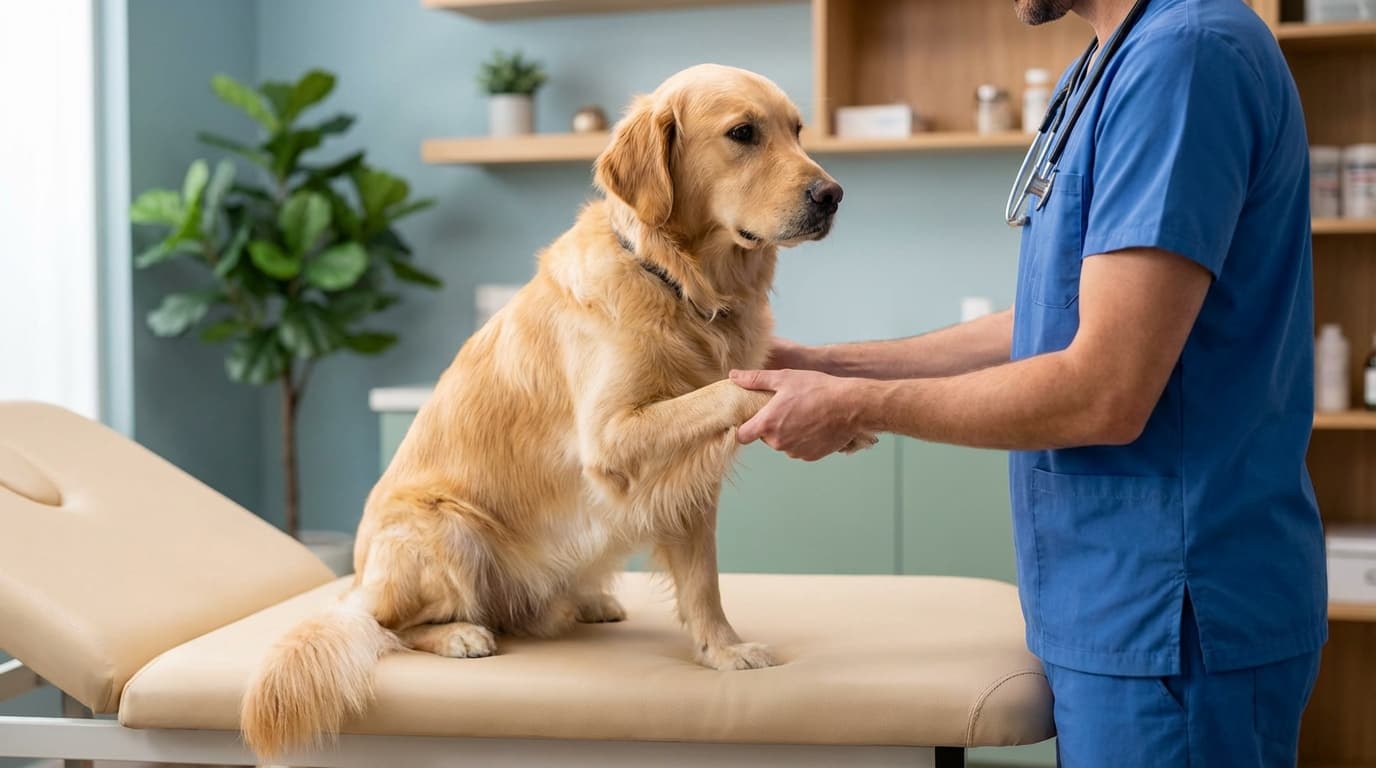
Veterinary diagnosis begins with a thorough physical examination to localize the pain source. Your veterinarian will observe your dog's gait, manipulate joints to check for instability or pain response, and palpate bones and soft tissues for abnormalities.
Diagnostic imaging often follows the physical exam. X-rays reveal fractures, bone abnormalities, arthritis changes, and some soft tissue calcifications. Advanced imaging like CT scans or MRIs may be needed for complex cases or when soft tissue injuries like ligament tears require detailed visualization.
Additional testing includes blood work to detect infections, tick-borne diseases, or systemic inflammatory conditions. Joint fluid analysis helps diagnose arthritis type or joint infections. Neurological examination rules out nerve-related lameness.
When to See a Veterinarian for Dog Limping
Always err on the side of caution with limping. Dogs instinctively hide pain, so visible lameness often indicates significant discomfort. Contact your veterinarian if limping persists beyond 24 hours, your dog refuses to bear weight, there's obvious trauma, or you notice accompanying symptoms like fever, appetite loss, or behavior changes.
Reviewed for accuracy by MyPetID's health team on [REVIEW_DATE] against the Merck Veterinary Manual and AVMA guidelines.
Frequently Asked Questions
Can a dog limp heal on its own?
Minor soft tissue injuries and paw pad cuts often heal with rest within 48-72 hours. However, ligament tears, fractures, infections, and chronic conditions like arthritis require veterinary treatment and won't resolve without intervention. Never assume limping will self-resolve if it persists beyond two days or worsens.
Why is my dog limping but not crying?
Dogs instinctively mask pain as a survival mechanism. A dog may limp significantly while showing minimal vocal signs of distress. The degree of lameness matters more than vocalization—significant weight-bearing changes indicate real pain even without crying.
Should I walk my dog if he's limping?
Restrict walks to brief, leashed bathroom breaks only until the limping resolves. Continued exercise on an injured leg can worsen soft tissue damage, delay healing, or transform a minor injury into a chronic problem. Resume normal activity gradually only after your dog walks normally without limping.
How much does it cost to treat a limping dog?
Costs vary dramatically based on the cause. Simple examinations and pain medication may cost $100-300. X-rays add $150-400. Surgical procedures for CCL tears range from $1,500-5,000 depending on technique and location. Emergency fracture repair can exceed $5,000. Pet insurance or wellness plans help manage unexpected orthopedic costs.
Can arthritis in dogs cause limping?
Yes, osteoarthritis is a leading cause of chronic limping in senior dogs. Arthritic limping typically worsens after rest (morning stiffness), improves with gentle movement, and affects multiple joints over time. Weight management, joint supplements, prescription medications, and physical therapy help manage arthritic pain and mobility.
Are certain dog breeds more prone to limping?
Yes, breed predispositions exist for specific orthopedic conditions. Large breeds like Labrador Retrievers and German Shepherds commonly develop hip and elbow dysplasia. Small breeds like Dachshunds and Corgis face intervertebral disc disease causing leg weakness. Greyhounds frequently experience toe injuries from racing. Understanding your breed's risks helps with early detection and preventive care.
About The MyPetID Team
The MyPetID team is dedicated to helping pet owners provide the best care for their furry friends through innovative digital solutions.
Related Articles
Why Is My Dog Throwing Up? Causes, Colors & When to Worry
Learn what your dog's vomit color means, when vomiting is an emergency, and how to safely treat mild cases at home. Complete guide for concerned pet owners.

Why Is My Cat Sneezing? Common Causes & When to Worry
Occasional sneezing is normal for cats, but persistent sneezing can signal allergies, infections, or irritants. Learn the common causes and when it's time to call the vet.
How Often Should I Take My Cat to the Vet? A Complete Schedule by Life Stage
Cats need veterinary care at different frequencies based on age: monthly kitten visits, annual adult checkups, and twice-yearly senior exams. This guide covers the complete schedule and what each visit includes.
Get More Pet Care Tips
Subscribe to our newsletter for the latest articles and updates