Why Is My Cat Sneezing? Common Causes & When to Worry
Occasional sneezing is normal for cats, but persistent sneezing can signal allergies, infections, or irritants. Learn the common causes and when it's time to call the vet.
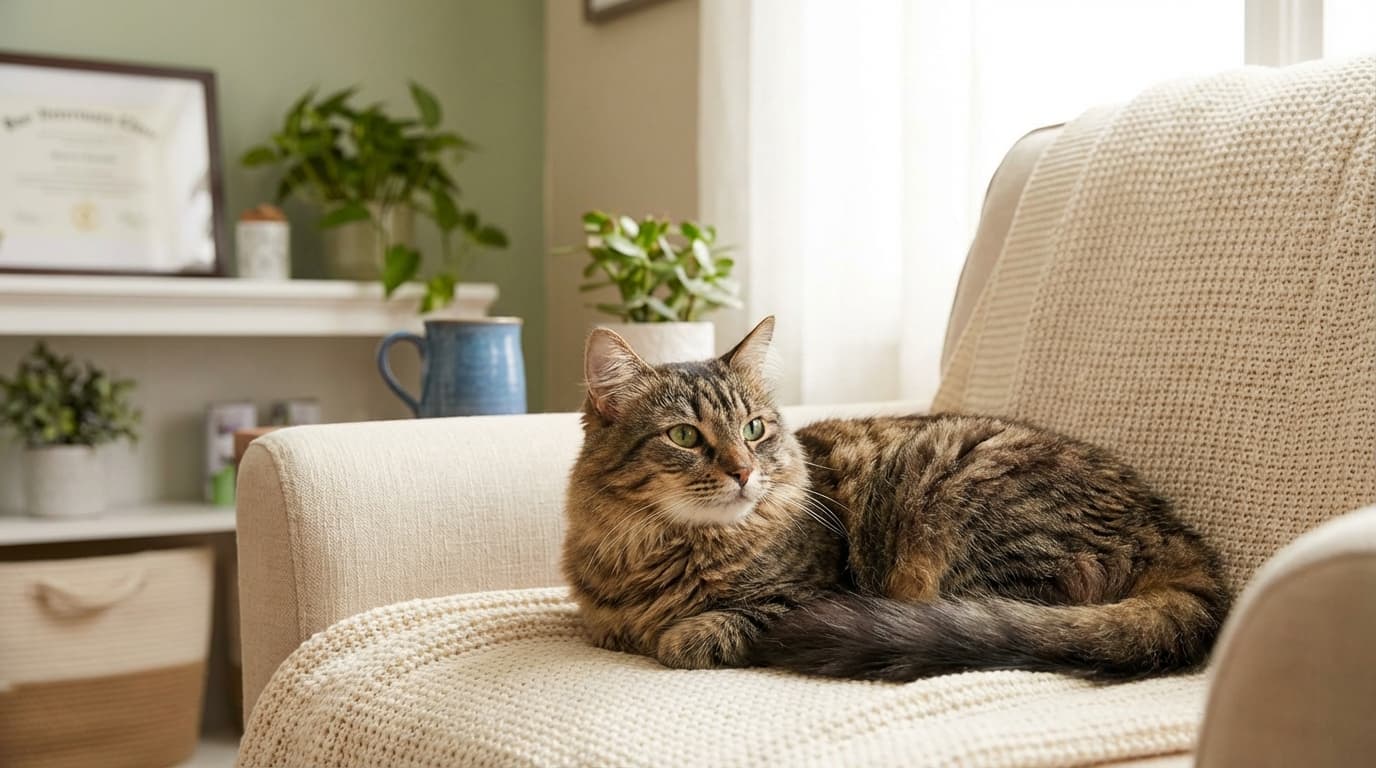
An occasional sneeze from your cat is completely normal, but if you're noticing frequent sneezing or other symptoms, it's natural to wonder if something's wrong. Most cat sneezing is harmless and caused by simple irritants, but persistent sneezing can sometimes signal an underlying health issue that needs attention.
Common Causes of Cat Sneezing
Environmental Irritants
The most common reason cats sneeze is something in their environment that's irritating their nasal passages. Dust, pollen, smoke, strong perfumes, and cleaning products can all trigger sneezing. Even the dust from clay cat litter can be a culprit—many cats are sensitive to the fine particles that float up when they dig. If you notice your cat sneezing after you've cleaned the house, lit a candle, or changed litters, an environmental irritant is likely to blame.
Upper Respiratory Infections
Cats can catch colds just like humans, and upper respiratory infections are very common, especially in shelters and multi-cat households. The most frequent viral culprits are feline herpesvirus and calicivirus. These infections often come with other symptoms like runny nose, watery eyes, and mild lethargy. The good news is that most healthy cats recover within 7–10 days with supportive care, though the viruses can remain dormant and flare up during times of stress.
Allergies
Yes, cats can have allergies too. While less common than in dogs, feline allergies to pollen, mold, dust mites, and certain foods do occur. Allergic cats may sneeze seasonally (like spring pollen allergies) or year-round if the allergen is indoors. Unlike environmental irritants that cause immediate sneezing, allergies involve the immune system and may also cause itchy skin, ear infections, or watery eyes.
Foreign Objects
Cats are curious creatures, and sometimes that curiosity leads to grass, foxtails, or small debris getting stuck in their nasal passages. If your cat suddenly starts sneezing repeatedly—especially if it's only coming from one nostril—a foreign object might be the cause. You might also see your cat pawing at their nose or notice nasal discharge from just one side.
Dental Issues
Surprisingly, dental problems can cause sneezing in cats. An infected tooth root, particularly in the upper canine teeth, can create an abscess that extends into the nasal passage. If your cat has bad breath, visible gum inflammation, or facial swelling along with sneezing, dental disease could be the underlying cause.
When Sneezing Is Normal vs. Concerning
Normal: An occasional sneeze here and there, especially after sniffing something dusty or playing in a sunny spot where dust particles float. If your cat sneezes once or twice and seems completely fine otherwise, there's usually no cause for concern.
Watch Closely: Daily sneezing, mild clear nasal discharge, or sneezing that persists for more than a few days warrants monitoring. Note any patterns—does it happen at certain times of day, after using the litter box, or when they're in specific rooms?
See a Vet Promptly: Sneezing accompanied by yellow or green discharge, blood, lethargy, loss of appetite, difficulty breathing, or facial swelling needs veterinary attention. These symptoms can indicate a bacterial infection, foreign body, or more serious condition.
What You Can Do at Home
If your cat's sneezing seems mild, there are several steps you can take to help:
- Reduce irritants: Switch to low-dust or unscented cat litter. Avoid using strong cleaners, air fresheners, or candles near your cat's favorite areas.
- Use an air purifier: A HEPA air purifier can significantly reduce dust, pollen, and other airborne irritants in your home.
- Try a humidifier: Dry air can irritate nasal passages. A cool-mist humidifier, especially during winter months, can help keep your cat's airways comfortable.
- Keep your cat indoors: During high pollen seasons, keeping your cat inside can reduce exposure to outdoor allergens.
- Monitor closely: Keep a simple log of when sneezing occurs and any accompanying symptoms. This information is valuable if you need to visit the vet.
When to See a Vet
While occasional sneezing isn't an emergency, certain symptoms require prompt veterinary care:
Same-day urgent care: Labored breathing, open-mouth breathing, blue-tinged gums, extreme lethargy, or refusal to eat for more than 24 hours.
Within 24–48 hours: Persistent sneezing lasting more than a few days, yellow or green nasal discharge, bloody discharge, facial swelling, or pawing at the nose.
Monitor at home: Occasional sneezing with no other symptoms, clear nasal discharge that resolves quickly, or sneezing that clearly follows exposure to dust or strong scents.
Remember, cats are masters at hiding illness. By the time symptoms are obvious to you, your cat may have been dealing with discomfort for some time. When in doubt, it's always better to call your veterinarian for guidance.
Reviewed for accuracy by MyPetID's health team on February 17, 2026 against the Merck Veterinary Manual and AVMA guidelines.
Frequently Asked Questions
- Is cat sneezing a sign of a cold?
- Yes, cats can get upper respiratory infections often called 'cat colds.' Viruses like feline herpesvirus and calicivirus are common culprits, causing sneezing, runny nose, and watery eyes. Most healthy cats recover in 7–10 days, but kittens, seniors, and immunocompromised cats may need veterinary support.
- Can cats have allergies like humans?
- Absolutely. Cats can be allergic to pollen, mold, dust mites, and certain foods. Allergic cats may sneeze seasonally or year-round, and might also show itchy skin, ear infections, or watery eyes. Unlike simple irritants, allergies involve the immune system and often require management strategies.
- Why does my cat sneeze after using the litter box?
- Clay and scented litters produce dust that irritates many cats' nasal passages. Try switching to a low-dust, unscented litter. Place the litter box in a well-ventilated area, and consider an air purifier nearby to reduce airborne particles.
- Should I be worried if my cat sneezes blood?
- Bloody nasal discharge warrants a veterinary visit within 24–48 hours. It can indicate a foreign object in the nasal passage, a dental abscess affecting the sinuses, trauma, or in rare cases, a nasal tumor. Even a small amount of blood should be evaluated by a veterinarian.
- How can I tell if my cat's sneezing is serious?
- Monitor for accompanying symptoms. Occasional sneezing alone is usually harmless. See a vet if sneezing persists for more than a few days, or if you notice yellow/green discharge, lethargy, loss of appetite, difficulty breathing, facial swelling, or bloody discharge. Trust your instincts—when in doubt, call your vet.
About The MyPetID Team
The MyPetID team is dedicated to helping pet owners provide the best care for their furry friends through innovative digital solutions.
Related Articles
Why Is My Dog Throwing Up? Causes, Colors & When to Worry
Learn what your dog's vomit color means, when vomiting is an emergency, and how to safely treat mild cases at home. Complete guide for concerned pet owners.
How Often Should I Take My Cat to the Vet? A Complete Schedule by Life Stage
Cats need veterinary care at different frequencies based on age: monthly kitten visits, annual adult checkups, and twice-yearly senior exams. This guide covers the complete schedule and what each visit includes.
Why Is My Dog Limping? Common Causes and When to See a Vet
Dog limping can stem from minor injuries like paw cuts or serious conditions like arthritis and ligament tears. Learn the common causes, home care tips, and when veterinary attention is essential.
Get More Pet Care Tips
Subscribe to our newsletter for the latest articles and updates